Blog
Should You Repair or Replace a Fogged Double-Pane Window?



You should usually replace the sealed insulated glass unit when fog, haze or water droplets are trapped between the panes of a double-pane window. The complete window does not necessarily need replacement if the frame, sash, glazing pocket, drainage and operating hardware remain in good condition. However, replacing only the glass will not solve problems caused by a rotted frame, serious corrosion, distorted components or water entering around the window opening. The correct decision depends on whether the failure is limited to the insulated glass or affects the complete window system.
Confirm Where the Condensation Is Located
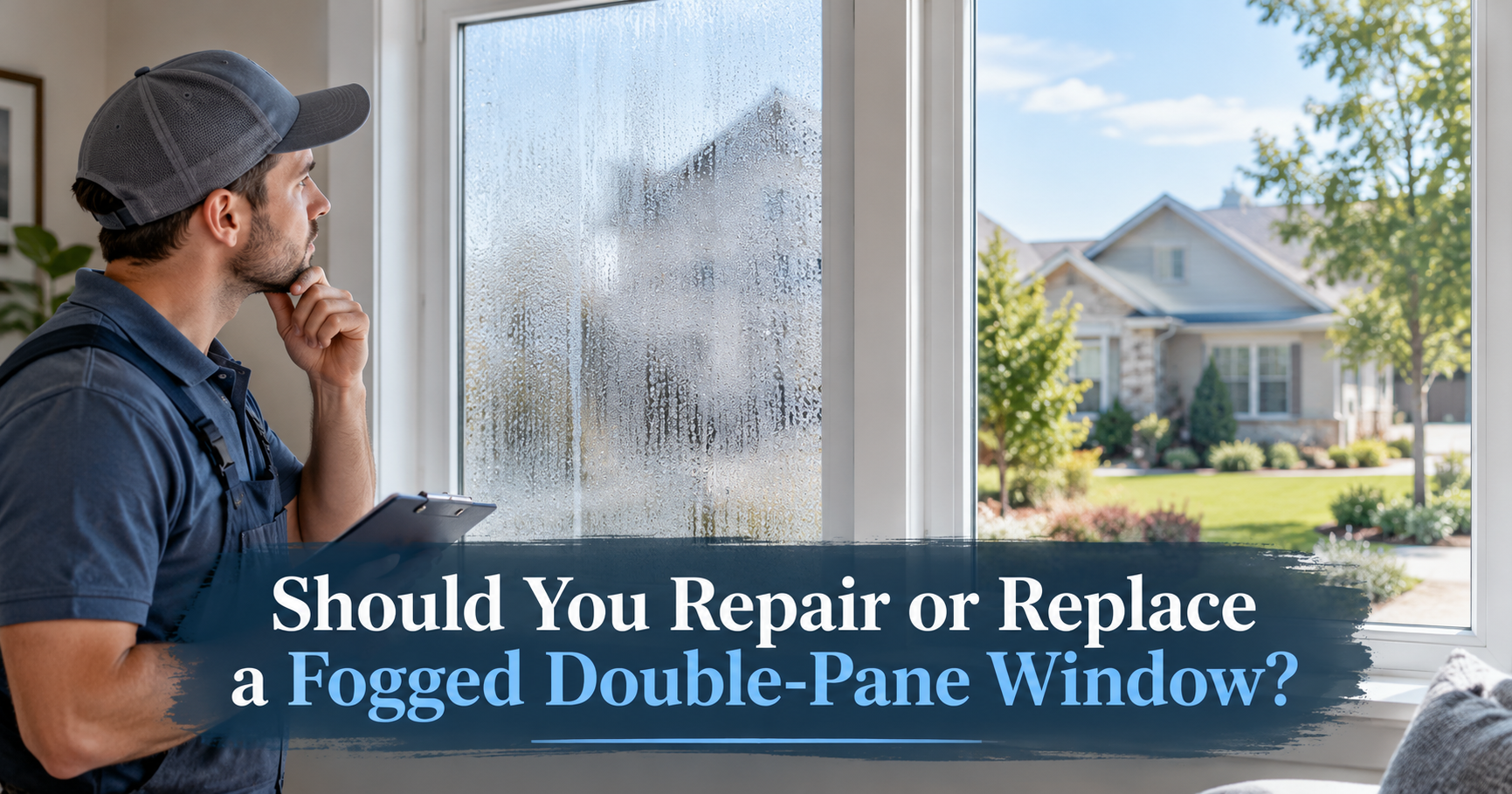
Condensation on the room-facing surface may result from high indoor humidity and a cold glass temperature, while moisture on the exterior surface can occur under certain weather conditions without indicating a failed seal. Both types of surface condensation can usually be wiped away. Fog that remains trapped between the panes is different because the moisture is inside a sealed cavity that cannot be reached through normal cleaning.
Understanding why windows fog helps separate a failed IGU from ventilation or humidity problems. When the perimeter seal no longer controls moisture entry, the desiccant eventually becomes saturated and haze, droplets or mineral deposits can develop inside the unit. The appearance may change as temperature and humidity fluctuate, but recurring internal fog is a strong indication that the sealed glass assembly has failed.
Can a Fogged Double-Pane Window Be Repaired?
A failed unit cannot normally be restored by cleaning the exposed glass or applying caulk around the outside of the window. External sealant may correct certain leaks around the frame, but it cannot remove moisture trapped between the panes or recreate the factory-sealed cavity. Some defogging services drill openings in the glass to reduce visible moisture, but this approach does not restore the original edge seal, gas fill or complete thermal performance.
The durable glass-level repair is normally to replace the complete insulated glass unit. The old sealed assembly is removed from the existing frame, and a new unit is manufactured to match the required width, height, thickness and glass configuration. This process can eliminate internal fogging and restore the sealed-glass component without disturbing interior trim, exterior finishes or the complete window frame when those components remain serviceable.
When IGU-Only Replacement Is the Better Choice
Replacing only the insulated glass unit is usually appropriate when the window frame remains square and structurally sound, the sash opens and closes correctly, the drainage paths are functional and the failure is limited to the glass. It may also be suitable when one pane is cracked but the surrounding frame and glazing components are undamaged. The replacement must fit the existing glazing pocket and provide appropriate edge clearance, support and retention.
An IGU-only replacement guide explains the frame, sash, drainage and specification checks involved in retaining an existing window. Keeping the frame can reduce disruption and may cost less than installing an entirely new window. It can also help preserve the appearance of nearby units when only one or two panels have failed within a larger elevation.
When the Complete Window Should Be Replaced
Full window replacement is generally more appropriate when the frame is rotted, severely corroded, cracked or warped. A deteriorated frame may not hold the new IGU squarely, maintain proper edge clearance or keep water away from the perimeter seal. Installing new glass into an unstable opening can lead to air leakage, water intrusion, stress on the glass or another premature seal failure.
The complete window may also need replacement when the sash no longer operates, locks or aligns correctly and suitable repair parts are unavailable. Persistent leaks around the wall connection, failed flashing, widespread sealant deterioration and blocked drainage may indicate that the problem extends beyond the glass. If several window components are failing simultaneously, investing in a new assembly may offer better long-term value than repairing each part separately.
Match the Replacement Glass Correctly
A replacement double-pane unit must be specified by more than its visible dimensions. Overall thickness, individual pane thickness, spacer width, tint, coating, safety treatment and gas fill may all affect fit, appearance and performance. Ordering from the visible opening alone can produce an incorrectly sized unit because part of the glass remains concealed behind glazing stops or frame components.
Matching becomes especially important when replacing one panel beside several existing windows. Different coatings and tints can create noticeable changes in color and reflectivity across a building elevation. When evaluating clear glass and Low-E glass options, consider orientation, solar exposure, visible-light transmission and the appearance of surrounding units. Safety-glazing requirements should also be checked when the window is near a door, floor, walking surface or another hazardous location.
Compare IGU Replacement With Full Window Replacement
IGU replacement preserves the existing frame and addresses moisture, haze or cracking within the sealed glass assembly. It is generally the more focused solution when the surrounding window remains structurally sound and operates correctly. Full window replacement addresses the glass, frame, sash, seals and hardware together, making it more appropriate when multiple components have deteriorated or the existing design can no longer meet the project’s requirements.
The least expensive immediate option is not always the most economical long-term decision. Installing a replacement IGU in a damaged frame may shorten its service life, while replacing a perfectly serviceable frame can create unnecessary cost and disruption. An inspection should identify the source of the failure and evaluate the complete opening before either option is approved.
What a Glass Professional Should Inspect
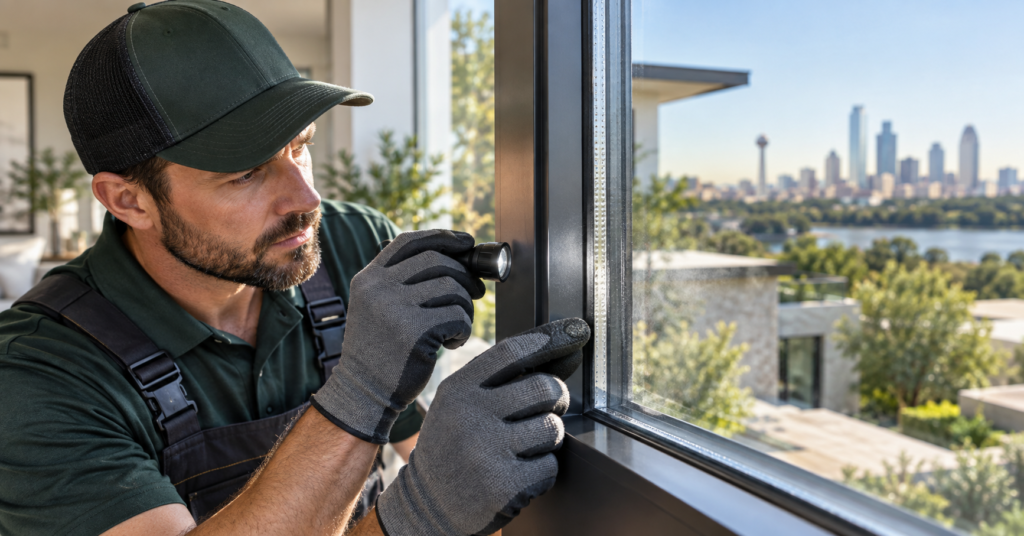
A professional assessment should examine the frame for rot, corrosion, movement and distortion, then test the sash, locks, hinges, balances or operators. The glazing pocket should be checked for sufficient depth, intact stops, suitable gaskets and correct setting-block positions. Drainage channels and weep holes must remain open because prolonged moisture around the glass edge can place additional stress on a replacement unit.
The technician should also identify the existing glass make-up and determine whether tempered, laminated, tinted or coated glass is required. Daltex’s glass repair services cover fogged and failed insulated glass as well as surrounding window, door and framing components. Providing photographs and approximate dimensions can begin the assessment, although verified measurements may still be needed before manufacturing the replacement.
Frequently Asked Questions
Will a fogged double-pane window become clear again?
The appearance may improve temporarily during dry or cooler conditions, but recurring moisture between the panes usually means the edge seal has failed. Once contaminants or mineral deposits develop inside the cavity, the haze may remain visible even when the moisture level changes. The reliable solution is normally to replace the failed sealed unit rather than waiting for the window to clear permanently.
Can you replace one pane of a double-pane window?
The two panes, spacer and edge seals form one manufactured assembly, so an individual pane is not normally replaced within the existing unit. If either pane cracks or the seal fails, the complete IGU is removed and replaced. The original window frame may still be retained when it is structurally sound and compatible with the new sealed unit.
Does a fogged window always waste energy?
Seal failure can reduce the intended performance of an insulated unit, particularly when moisture enters the cavity or the original gas fill is lost. The exact effect depends on the glass construction, coating, spacer and condition of the complete window. Fogging also reduces visibility and can leave permanent deposits, so replacement may be justified even when the immediate energy impact is difficult to measure.
Final Takeaway
A fogged double-pane window usually needs a replacement insulated glass unit, but it does not automatically require an entirely new window. IGU-only replacement is generally suitable when the frame, sash, drainage and glazing pocket remain serviceable. Full window replacement becomes the stronger option when structural deterioration, water intrusion, poor operation or widespread component failure prevents the existing frame from supporting new glass reliably. A complete inspection provides the best basis for choosing the most durable and cost-effective solution.