

Blog
When Can You Replace the IGU Without Replacing the Window?

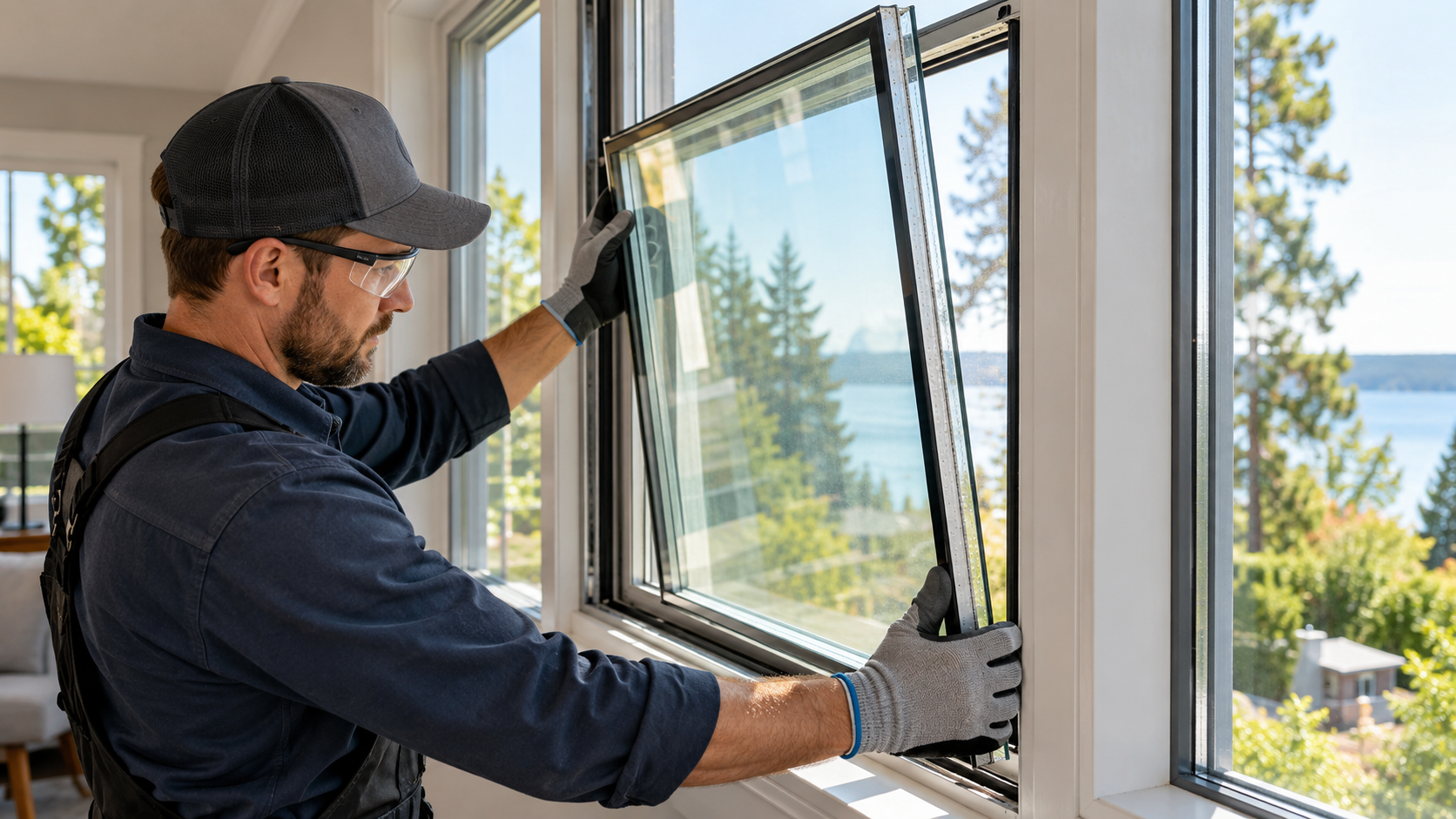


In many cases, you can replace the insulated glass unit without replacing the entire window. IGU-only replacement is usually possible when the frame and sash remain structurally sound, the window operates correctly, and the problem is limited to fogged, cracked or damaged insulated glass.
The complete window may need replacement when the frame is warped, corroded, rotted or unable to support a new sealed glass unit. The condition of the frame, drainage system, glazing pocket, gaskets and surrounding sealants should therefore be evaluated before ordering replacement glass.
What Is an Insulated Glass Unit?
An insulated glass unit, commonly called an IGU, contains two or more glass panes separated by a spacer and sealed around the perimeter. The cavity between the panes may contain dry air or an insulating gas such as argon.
The spacer, desiccant and edge seals work together to limit moisture entry and reduce heat transfer. A Low-E coating may also be added to improve thermal and solar performance.
The complete window includes more than the glass. It also contains the frame, sash, glazing stops, gaskets, sealants, drainage openings and operating hardware. Understanding this difference is important because damage to the IGU does not automatically mean the entire window has failed. Our guide to IGU construction explains how these individual components work together.
Can You Replace Just the IGU?
Yes. A failed or damaged IGU can often be removed from the existing sash or frame and replaced with a newly manufactured sealed glass unit.
The replacement must match the opening and required glass specifications. This normally includes the unit’s width, height, overall thickness, glass type, spacer, coating, tint, safety-glazing requirements and gas fill.
Replacing only the IGU is generally suitable when:
- The frame is square and structurally stable.
- The sash opens, closes and locks correctly.
- The glazing pocket is in good condition.
- The drainage openings remain functional.
- The failure is limited to the sealed glass unit.
- The existing frame can accept the correct IGU thickness.
- Replacement gaskets or glazing materials are available.
- The new glass can meet applicable safety requirements.
An inspection should confirm these conditions before the replacement unit is manufactured.
IGU Replacement vs Full Window Replacement
| Condition | Replace the IGU | Replace the complete window |
|---|---|---|
| Condensation between panes | Usually appropriate | Not normally necessary |
| One cracked pane in a sealed unit | Usually appropriate | Only if the frame is also damaged |
| Sound and square frame | Appropriate | Usually unnecessary |
| Rotted wood frame | Not recommended | Usually required |
| Severely corroded metal frame | May not be suitable | Often required |
| Warped or distorted sash | May not seal correctly | Often the better option |
| Failed locks or balances | Evaluate hardware separately | May be practical if failures are extensive |
| Blocked drainage | Correct drainage before installation | Required if the system cannot be repaired |
| Multiple window components failing | Limited benefit | Often more practical |
| Existing frame cannot accept the required glass | Not suitable | Usually required |
The final decision should be based on the condition of the complete opening rather than the appearance of the glass alone.
When IGU-Only Replacement Is Usually Possible
The Glass Is Fogged but the Frame Is Sound
Condensation, haze or droplets trapped between the panes normally indicate that the perimeter seal has failed. This moisture cannot be wiped from the interior or exterior surfaces because it is inside the sealed cavity.
If the frame remains stable and the glazing system is functioning correctly, the failed unit can often be removed and replaced without disturbing the entire window assembly.
The appearance of fog between panes may change with temperature and humidity, but recurring internal condensation is a strong sign that the sealed unit should be evaluated.
One Pane Is Cracked
A crack in either pane compromises the sealed assembly. Even if the second pane remains intact, the complete IGU normally requires replacement because the factory-sealed cavity can no longer perform as designed.
This does not necessarily require a new frame. A matching replacement unit may be installed if the sash, setting blocks, glazing pocket and surrounding components remain suitable.
The cause of the crack should also be investigated. Impact, frame pressure, edge damage, thermal stress or building movement may affect the replacement if the underlying condition is not corrected.
The Window Still Opens and Closes Correctly
Smooth operation is a positive sign that the frame and sash may still be serviceable. The window should open, close and lock without excessive force.
A sash that rubs, twists or fails to align may place uneven pressure on the replacement glass. Minor hardware problems may be repairable, but serious distortion can make IGU-only replacement unreliable.
The Problem Is Limited to One or Two Units
Replacing individual IGUs is often practical when most windows remain in good condition and only a small number have fogged or cracked.
This approach preserves the existing frames and avoids unnecessary disruption. It can be particularly useful in commercial buildings where matching the surrounding exterior appearance is important.
If many units are failing at the same time, the building owner should investigate whether the failures share a common cause, such as age, poor drainage, frame deterioration or installation problems.
The Frame Can Accept a Matching Replacement
The new IGU must fit the existing glazing pocket. Its overall thickness, glass make-up and edge clearance must be compatible with the frame.
A replacement unit that is too thick may not fit beneath the glazing stops. A unit that is too thin may not be held securely or sealed correctly. Accurate field measurements are therefore essential.
When Should the Entire Window Be Replaced?
The Frame Is Rotted, Corroded or Warped
A replacement IGU needs stable support. Rotted wood, severe metal corrosion or significant frame distortion can prevent the new unit from sitting squarely.
Installing new glass in a deteriorated frame may lead to water intrusion, seal stress, air leakage or another premature failure.
Water Is Entering Through the Frame
Moisture between the panes points to IGU seal failure. Water appearing around the frame, wall or sill may indicate a different problem.
Possible causes include failed perimeter sealant, blocked drainage openings, flashing defects, damaged gaskets or gaps between the window and the building envelope. Replacing the IGU alone will not correct these conditions.
The source of the water should be identified before deciding which components require replacement.
The Sash or Hardware Has Failed
Broken balances, hinges, rollers, locks or operators may sometimes be repaired independently. However, a complete replacement may be more practical when several components are worn, obsolete or unavailable.
The decision should consider the combined condition of the glass, frame, sash and hardware.
The Existing Frame Cannot Support the Required Glass
Older frames may not have enough glazing depth for a thicker or more advanced insulated unit. This can become important when upgrading from single-pane glass or changing to a laminated, tempered or higher-performance configuration.
The frame must provide sufficient support, edge clearance and space for the specified glazing materials.
The Window Has Widespread Performance Problems
IGU replacement addresses problems within the sealed glass unit. It does not correct major air leakage through the frame, poor installation, structural movement or deterioration around the opening.
When several components have reached the end of their service life, full window replacement may provide a more reliable long-term result.
What Is Checked Before an IGU Is Replaced?
A professional assessment should examine both the failed glass and the surrounding window system.
Frame and Sash Condition
The frame should be checked for corrosion, rot, cracking, distortion and movement. The sash should remain square and operate smoothly.
Drainage
Many window systems contain weep holes or drainage channels that direct water away from the glass edge. These openings must remain clear.
Standing water around the perimeter seal can shorten the service life of a replacement unit.
Glass Dimensions
The width, height and thickness of the existing IGU must be measured accurately. Measurements may need to be taken after glazing stops or covers are removed.
Ordering glass based only on the visible opening can result in an incorrectly sized unit.
Glass Type
The replacement specification may include:
- Clear, tinted or reflective glass
- Low-E coating
- Tempered or laminated safety glass
- Air or argon fill
- Spacer type and colour
- Heat-treated glass
- Patterned or privacy glass
The replacement should match adjacent units as closely as possible. Differences in tint, coating, reflectivity or visible light transmission may become noticeable across a building elevation.
Setting Blocks and Gaskets
Setting blocks support the weight of the IGU and keep the glass edge away from standing water. Damaged or incorrectly positioned blocks may place stress on the unit.
Gaskets, glazing tape and sealants should also be inspected. Reusing deteriorated glazing materials can reduce the reliability of the new installation.
How Is an IGU Replaced Without Removing the Window?
The exact procedure varies according to the frame and glazing system, but the general process includes the following stages.
First, the glazing stops, caps or gaskets are carefully removed to provide access to the insulated glass unit. The failed unit is then released from the glazing materials and removed from the opening.
The glazing pocket is cleaned and inspected for damage, moisture and blocked drainage. New setting blocks, gaskets or glazing tape may be installed when required.
The replacement IGU is positioned with the correct edge clearance and support. Glazing stops are reinstalled, and the perimeter is sealed according to the window system.
The completed installation is checked for alignment, secure retention, drainage and smooth window operation.
Commercial systems may require specialised lifting equipment, exterior access or coordination with building occupants. Daltex Glass provides glass repair for fogged, cracked and damaged insulated units in existing frames.
Can a Fogged IGU Be Resealed?
Applying caulk around the outside of the frame does not restore a failed insulated glass unit. External sealant may correct certain frame-level leaks, but it cannot remove moisture trapped between the panes or recreate the original sealed cavity.
Some defogging methods drill small openings to reduce the visible condensation. These methods may improve appearance temporarily, but they do not restore the original gas fill, perimeter seal or complete thermal performance.
Replacing the failed IGU is normally the more durable solution.
Does Replacing the IGU Restore Window Performance?
A correctly specified and installed replacement can restore the function of the sealed glass component. It can remove internal fogging, replace cracked glass and recover much of the insulation provided by the original unit.
However, the replacement will not correct air leakage or water intrusion caused by the frame, wall connection or surrounding sealants.
Performance also depends on selecting the correct glass make-up. Low-E coating, gas fill, spacer design and cavity width should be considered together rather than treating every double-pane unit as identical.
The expected IGU lifespan depends on manufacturing quality, edge-seal durability, installation, drainage and environmental exposure.
Is IGU Replacement Less Expensive Than Replacing the Window?
Replacing only the insulated glass unit is generally less expensive than replacing the complete window because the existing frame, trim and surrounding finishes can remain in place.
The actual IGU replacement cost depends on:
- Glass dimensions
- Number of panes
- Glass thickness
- Tempered or laminated requirements
- Low-E coating
- Tint or reflective coating
- Gas fill
- Spacer type
- Unit shape
- Accessibility
- Labour and equipment
- Condition of the existing glazing system
A simple ground-level residential unit and a large commercial unit installed several floors above ground involve very different requirements. Accurate pricing normally requires confirmed measurements and an inspection of the opening.
Commercial IGU Replacement Considerations
Commercial window systems often use larger glass sizes, specialised coatings, pressure plates, captured glazing, structural silicone or custom framing systems.
Before replacing a commercial IGU, the glass professional may need to confirm:
- Original glass make-up
- Safety-glazing requirements
- Wind-load requirements
- Heat-treatment requirements
- Coating manufacturer and surface
- Colour and reflectivity
- Spacer colour
- Edge-seal compatibility
- Glazing method
- Access and lifting requirements
Matching is particularly important when only one unit is being replaced within a visible façade. Changes in coating technology and glass availability may make an exact visual match difficult, especially on older buildings.
The relationship between the glass, frame and exterior system should be evaluated together when working with commercial windows.
Questions to Ask Before Approving IGU Replacement
Before deciding to keep the existing window frame, confirm the following:
- Is the moisture located between the panes or around the frame?
- Is the frame square and structurally stable?
- Does the sash operate and lock correctly?
- Are the drainage openings clear?
- Is there corrosion, rot or water damage?
- Can the glazing pocket accept the correct unit thickness?
- Does the glass need to match nearby windows?
- Is tempered or laminated safety glass required?
- What caused the original unit to fail?
- Can damaged gaskets, blocks and sealants be replaced?
These questions help separate an isolated glass failure from a complete window-system problem.
Frequently Asked Questions
Can you replace just the glass in a double-pane window?
Yes. The complete sealed double-pane unit can often be replaced while the original frame remains in place. An individual pane is not normally replaced within an existing sealed unit because opening the assembly destroys the factory seal.
Can you replace an IGU without removing the sash?
It depends on the window design. Some IGUs can be removed while the sash remains installed. Other systems require the sash to be removed temporarily to provide safe access to the glazing components.
Can a broken pane be replaced without replacing the other pane?
In a sealed IGU, the two panes, spacer and cavity function as one manufactured assembly. If one pane breaks, the complete insulated glass unit is normally replaced.
Will IGU replacement stop condensation?
Replacing a failed unit should eliminate condensation trapped between the panes. It may not stop condensation forming on the accessible room-side surface, which can result from indoor humidity and glass temperature.
Can single-pane glass be upgraded to an IGU?
Sometimes, but the existing frame must have enough glazing depth and structural capacity for the thicker unit. If the frame cannot accept the required IGU, a new sash or complete window may be necessary.
Can an old frame receive Low-E or argon-filled glass?
Potentially, if the frame can accommodate the required overall thickness and glazing system. The new unit should be manufactured with the correct coating, spacer, cavity and gas-fill specifications.
Is IGU replacement suitable for commercial windows?
Yes. Commercial IGUs are frequently replaced within existing frames. The project may require specialised glass, access equipment, safety planning and careful matching with adjacent façade units.
How do I know whether the frame is still usable?
A usable frame should remain stable, square, properly drained and free from serious corrosion, rot or distortion. The sash and hardware should also function correctly. A physical inspection is usually required to confirm its condition.
Final Takeaway
You can replace the IGU without replacing the entire window when the sealed glass has failed but the frame, sash, drainage and glazing pocket remain in serviceable condition.
Fogging between the panes, a cracked pane or a damaged Low-E unit does not automatically require a completely new window. Replacing only the insulated glass unit can preserve the existing frame, reduce disruption and restore the appearance and sealed-glass performance of the opening.
Full window replacement is more appropriate when the frame is rotted, corroded, warped or leaking, or when it cannot safely support the required replacement glass. A complete inspection should determine whether the problem is limited to the IGU or affects the entire window system.


